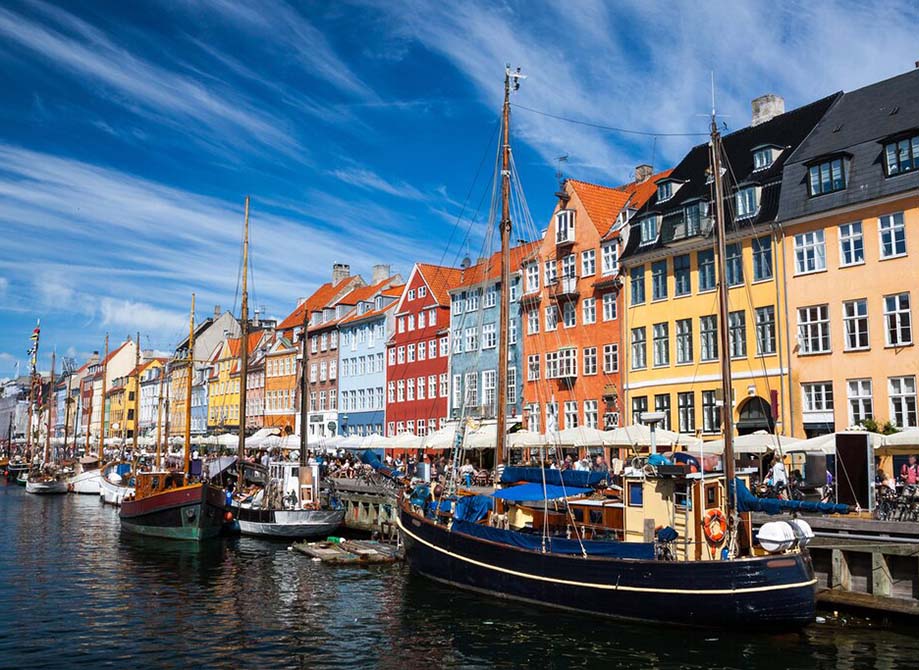
Denmark is a country with an exceptionally efficient, convenient, and environmentally friendly transportation system. Whether you’re planning to spend a few days in Copenhagen or explore other cities in Denmark, understanding the transportation system will make your trip much easier. Next, I will share some personal experiences and tips to help you enjoy a smooth and pleasant journey through Denmark.
Great Value Vacation
Unlock a world of effortless travel with Great Value Vacation! We stand out by offering all-in-one packages that bundle flights, cozy stays, and extra perks for a seamless journey. No more puzzling over travel details – we've got it all covered. Great Value Vacation – Your stress-free ticket to unforgettable adventures!
1. Public Transportation System: Efficient and Eco-friendly
Denmark’s public transportation system is well-developed, both in big cities and rural areas. Whether you’re taking buses, metros, trains, or long-distance coaches, you’ll experience convenient, efficient, and environmentally friendly travel.
- Copenhagen Metro
Copenhagen’s metro system is one of the most modern in the world, and it’s accessible to both locals and tourists. The metro consists of two main lines, M1 and M2, which connect key attractions, business districts, and the airport. What’s even better is that the metro stations are often connected to other public transport systems, such as buses and trains, making transfers seamless.
Tip: If you’re staying in Copenhagen for a short time, I highly recommend purchasing the Copenhagen Card. It allows you unlimited access to public transport and provides discounts for many attractions.
- Buses and Trams
In Copenhagen and other cities, buses and trams are very punctual and cover a wide area. Whether you’re in the city center or the outskirts, there are plenty of bus routes to choose from. Tickets can be purchased from self-service machines at stations or paid using the Rejsekort electronic card.
Tip: The Rejsekort is the most commonly used transport card in Denmark and can be used for metro, bus, and train rides. You simply swipe it when you board and again when you exit. If you plan on using public transport frequently, this card is more cost-effective than purchasing single tickets.
- Trains: Domestic and Cross-city Travel
Denmark has a well-developed train network that connects the country’s major cities. Whether you’re traveling from Copenhagen to Aarhus, Aalborg, or other cities, taking the train is a comfortable and efficient option. The DSB (Danish State Railways) offers different types of trains, including fast and regular trains, with reasonable ticket prices and relatively short travel times.
Tip: Train tickets can be purchased online via the DSB website or at self-service ticket machines. You can often get discounted tickets by purchasing in advance. To ensure a seat, I recommend booking in advance, especially during peak hours or holiday seasons.
2. Car Rental: Another Way to Explore Denmark
If you enjoy road trips, renting a car is another great option in Denmark. The roads are in great condition, and driving is easy and pleasant. You can rent a car at airports like Copenhagen or from rental companies in larger cities, and the prices are reasonable.
- Car Rental Tips:
- Driver’s License Requirements: If you have a valid international driver’s license or an EU driver’s license, you can rent a car in Denmark.
- Road Signs: Denmark uses internationally recognized road signs, so even if you don’t speak Danish, you’ll easily understand the instructions.
- Parking: In large cities, parking can be limited and expensive. It’s often better to park outside the city center and take public transport to get to the city.
3. Cycling: The Best Green Mode of Transport
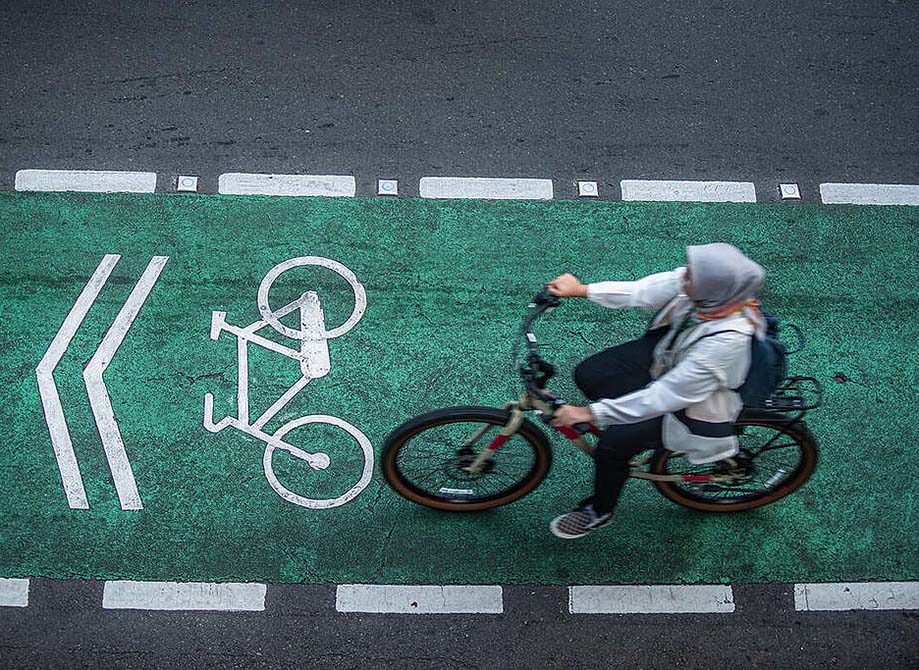
Copenhagen and other Danish cities are among the most bike-friendly places in the world. The city has thousands of dedicated bike lanes, and cycling is safe and enjoyable. It’s a common mode of transportation for both locals and tourists.
- Bike Rentals
In cities like Copenhagen, you can easily rent bikes. Most hotels, tourist centers, and bike shops offer short-term rentals. If you’re in Copenhagen, you can use the Bycyklen system, which is an automated bike-sharing system. You can find available bikes near you via the mobile app.
- Cycling Tips:
- Safety First: Always wear a helmet and obey traffic signals. Denmark’s bike lanes are very well-established, but you should still be mindful of pedestrians and other vehicles.
- Eco-Friendly Travel: Cycling is an eco-friendly way to get around, reducing your carbon footprint while allowing you to explore the city in a unique and enjoyable way.
4. Taxis and Ride-Hailing Services
In Denmark, especially in larger cities, taxi services are widely available. However, they can be relatively expensive compared to other modes of transport. If you’re in a hurry or have large luggage, taking a taxi might be a convenient option, but I recommend using public transport whenever possible.
- Ride-Hailing Services
You can use ride-hailing apps like Taxi or Bolt to easily book a ride. These apps are user-friendly and usually have an English interface. The prices are transparent, making them a good option for tourists who prefer not to drive.
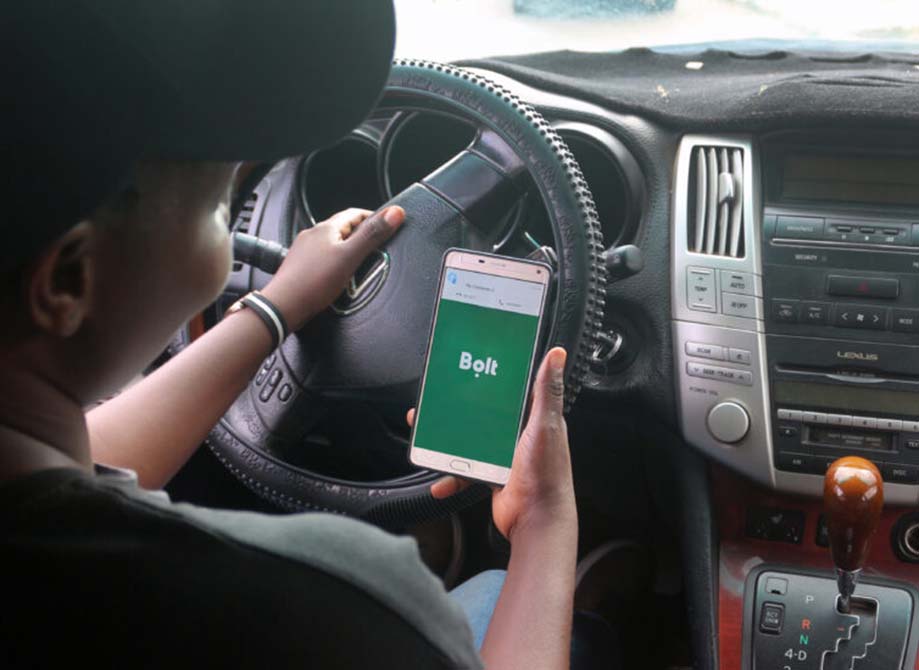
Tip: During peak hours or at night, taxi services may be more in demand, so it’s best to book in advance through a ride-hailing app.
Enjoy Denmark’s convenient transportation and effortlessly explore the beauty of the Nordic region.
Whether you’re using public transportation, renting a car, cycling, or taking a taxi, Denmark’s transportation system offers a variety of convenient options for travelers. It’s efficient, eco-friendly, and makes exploring this beautiful Nordic country a breeze. If you’re planning to visit Copenhagen or other Danish cities, make use of public transport, rental cars, or bicycles to make your trip smoother and more enjoyable. I hope this transportation guide will help you plan a seamless journey and allow you to make the most of your time in Denmark!